Wat Phra That Doi Suthep is the gold-topped temple on the mountain at Chiang Mai’s western edge, a little over 1,000 metres up inside Doi Suthep–Pui National Park and about 15 km from the Old City.
Most people make it a half-day trip: the winding drive up, just over 300 steps (or a short funicular ride), an hour or so around the golden chedi and the city viewpoint, then back down. Bhubing Palace and the Hmong village at Doi Pui are further up the same road if you want a longer day.
Opening hours, the funicular schedule and the entry fee for foreign visitors change, and current listings don’t agree with each other. Use the times below for planning, then check on arrival.
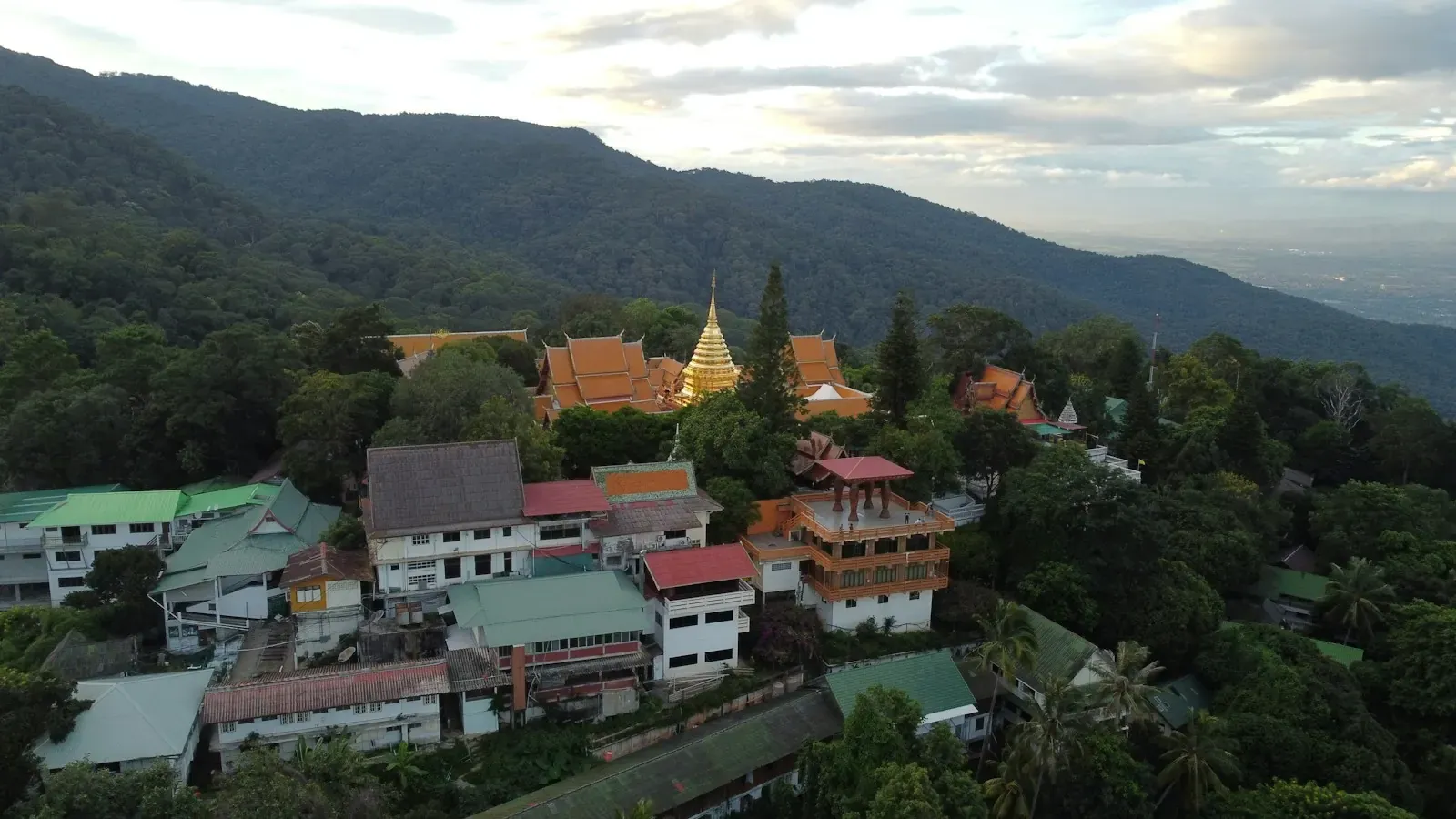
What to see at Wat Phra That Doi Suthep
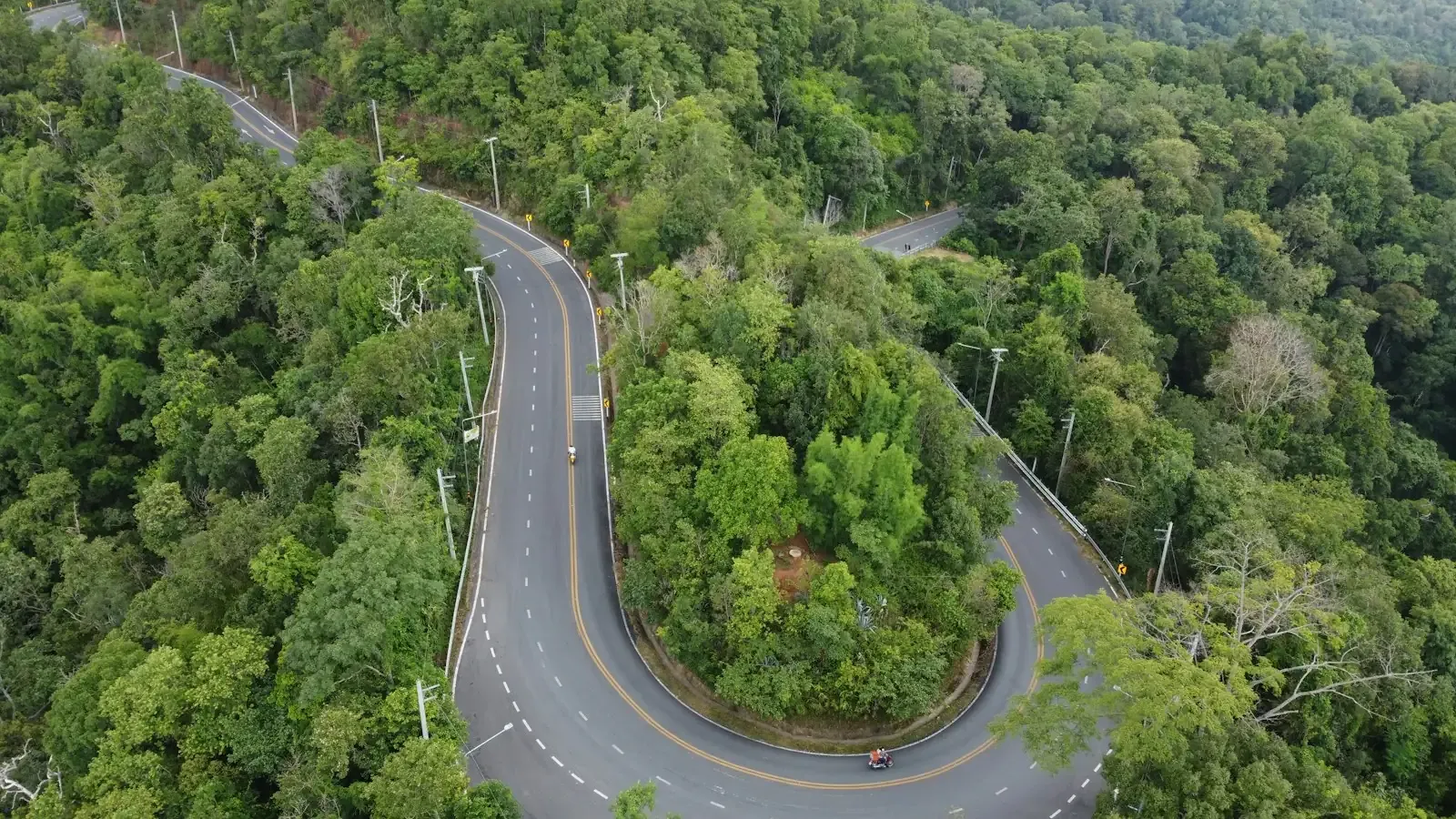
The road up the mountain
The road starts at the foot of the mountain by a monument to Kruba Srivichai, the monk who led its construction. Work began on 9 November 1934, monks and villagers from across the north built it, and the first cars drove up on 30 April 1935, five months and 22 days later. It’s a paved road with plenty of bends: if anyone gets carsick, take something before setting off and sit near the front.
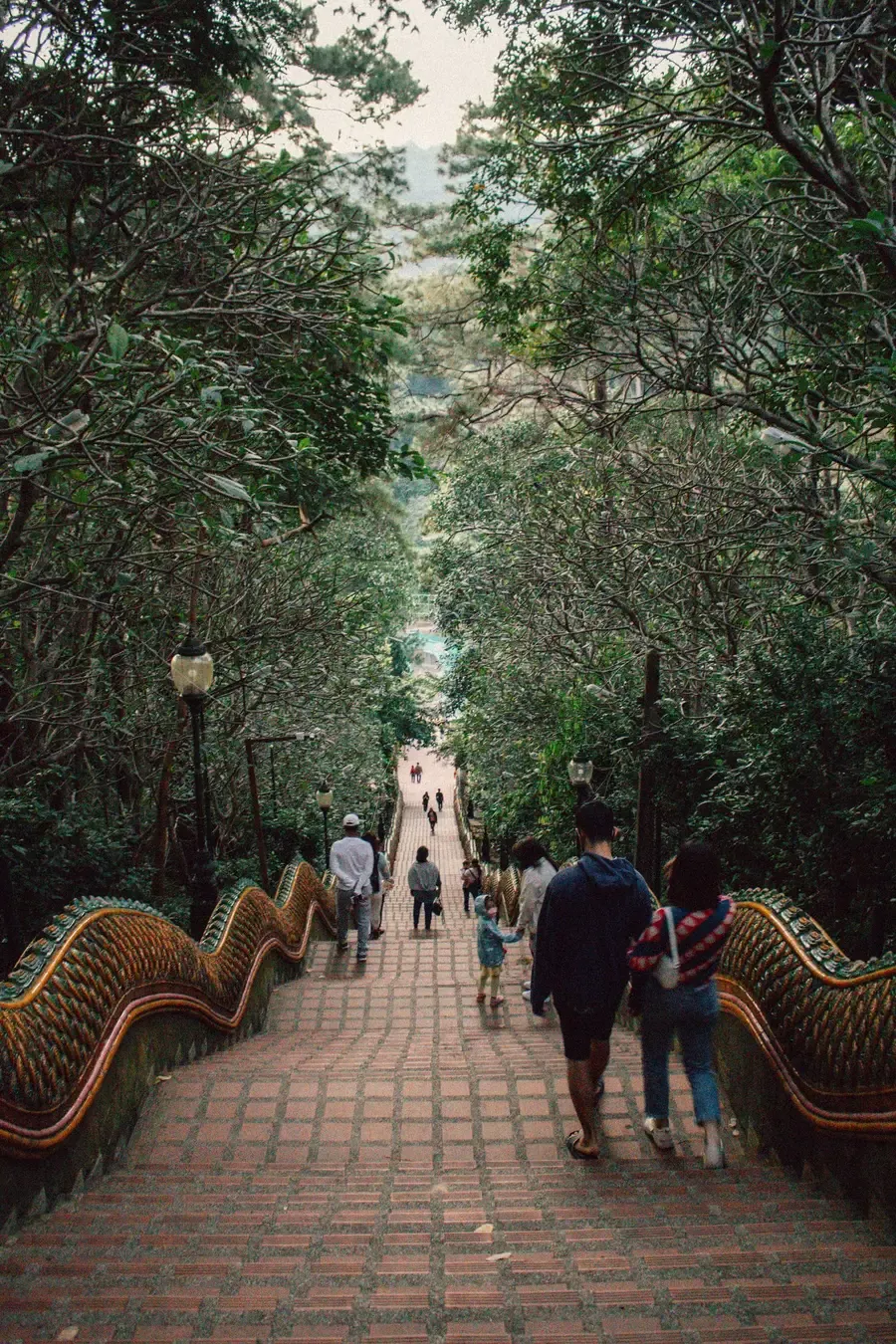
The naga staircase or the funicular
From the car park, a staircase lined with two long naga (serpent) balustrades climbs to the temple. It’s usually quoted as 306 steps, and some counts say 309. Either way it’s a steady climb: take it slowly and stop on the landings.
A funicular, often called the cable car or the lift, runs beside the stairs to the same terrace. It has its own fare, separate from the temple entry fee, and third-party listings give its hours as roughly 06:00 to 18:00. Riding up and walking down is easier on the legs. According to Wikipedia, the funicular and a series of very steep ramps make the temple wheelchair accessible, so bring a helper.
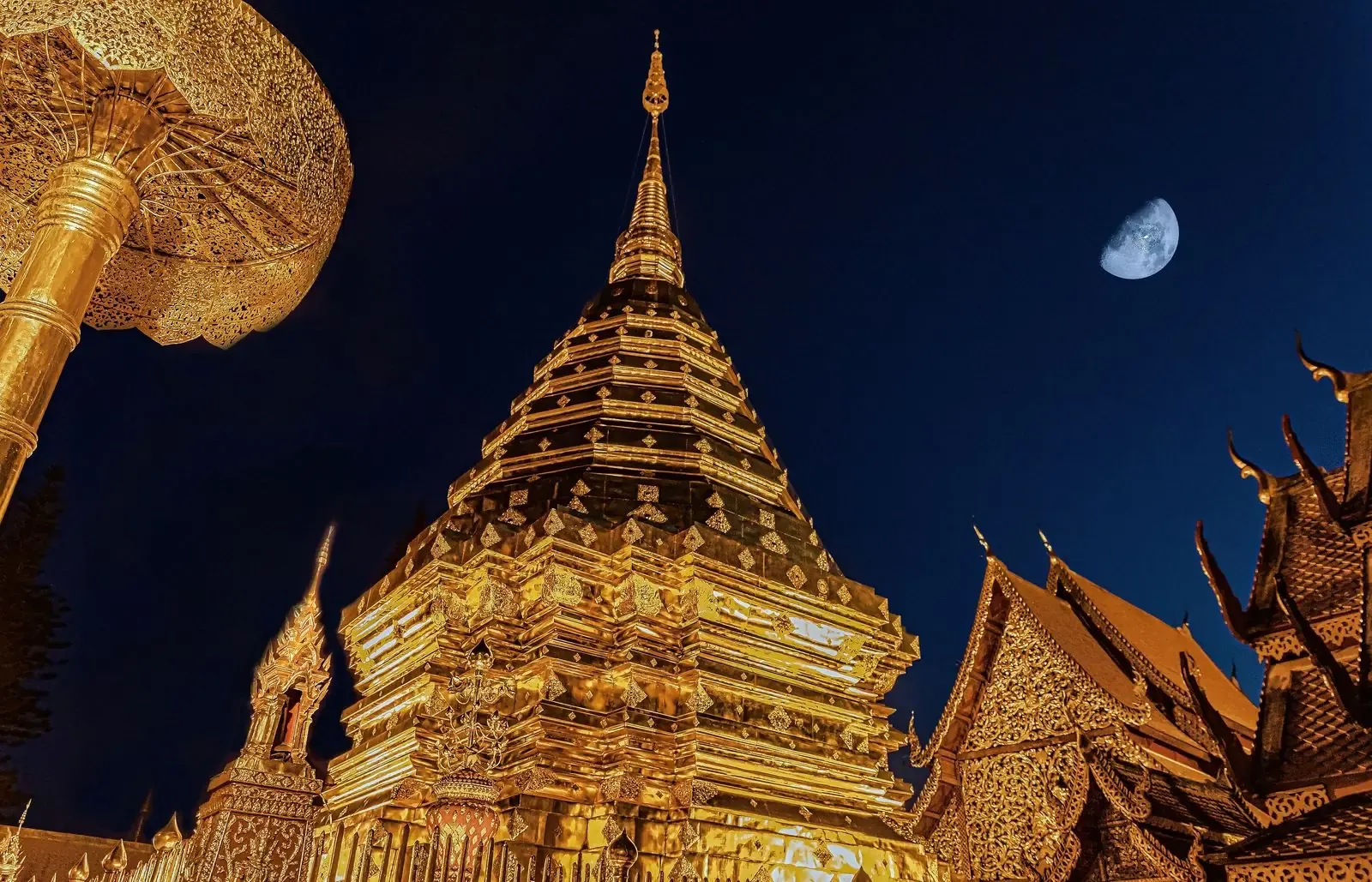
The golden chedi and the city viewpoint
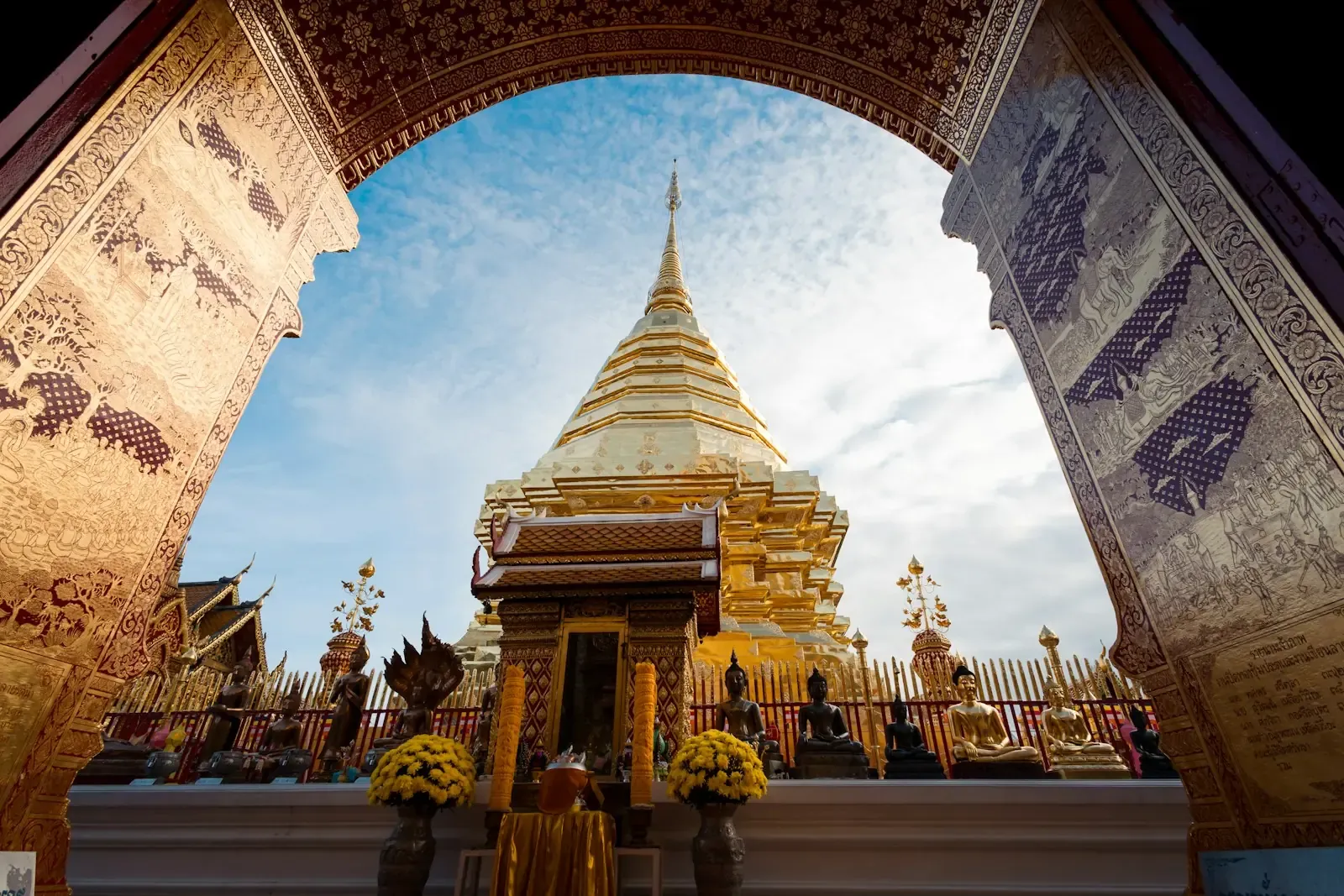
At the top, everything faces the gold chedi in the central courtyard. Legend says a white elephant carrying a Buddha relic climbed the mountain, trumpeted three times and died here, so King Kue Na of Lan Na built a temple on the spot. The first chedi is said to date from 1383. A white elephant statue near the entrance recalls the story, and around the site are shrines, bells, Buddha images and a small museum.
Worshippers walk around the chedi clockwise, usually three times, carrying flowers, candles and incense. You’re welcome to join quietly.
On the far side of the temple is the viewpoint over Chiang Mai. How much you see depends on the season and the haze.
Dress code and temple etiquette
This is a working temple and one of the most important in northern Thailand, and the dress code is taken seriously.
- Cover shoulders and knees. This applies to men and women. Leave sleeveless tops, short shorts and short skirts at the hotel. Long trousers or a long skirt are safest. A scarf over the shoulders helps, but don’t count on borrowing a cover-up at the gate.
- Shoes off before the inner courtyard around the chedi. The tiles get hot at midday, so socks help.
- Walk clockwise around the chedi, and don’t climb on anything.
- Feet down. Don’t point your feet at Buddha images or monks. When you sit, tuck them to the side.
- Women shouldn’t touch monks or hand things to them directly.
- Follow the signs and keep it quiet. Some areas may be for worshippers only, and don’t photograph people praying up close.
- Entry fee. Foreign visitors pay one at the temple. The amount changes, so check on arrival.
How to get to Doi Suthep (and back)
Red truck (songthaew). Shared red trucks wait at the Chiang Mai Zoo entrance on Huay Kaew Road, the closest pick-up point to the mountain, and outside Chang Phueak Gate, north of the Old City. They have no timetable and leave once about 10 people have boarded, so on a quiet day you wait or pay more to go straight away. Some continue to Bhubing Palace and Doi Pui. Agree the fare and the ride back before you climb in.
Grab or Bolt. An easy way up. Before you let the car go, check the app for cars on the mountain, especially if you’ll stay into the evening.
Your own scooter or car. Fine if you’re used to mountain roads. Use a low gear on the way down, and take extra care in rain, fog or after dark.
On foot. The Monk’s Trail starts behind Chiang Mai University at the top of Suthep Road: 30 to 60 minutes to the forest temple of Wat Pha Lat, then a steeper 1 to 1.5 hours to Doi Suthep. A flash flood in September 2024 damaged parts of Wat Pha Lat, so check trail conditions with the national park after heavy rain.
Car with driver. Hire a car with driver for a half or full day. The driver picks you up at your hotel, waits while you visit and drives you back down, which suits families, older parents and anyone adding Bhubing Palace or Doi Pui. Arrange it in advance, and request child seats if you need them.
When to go
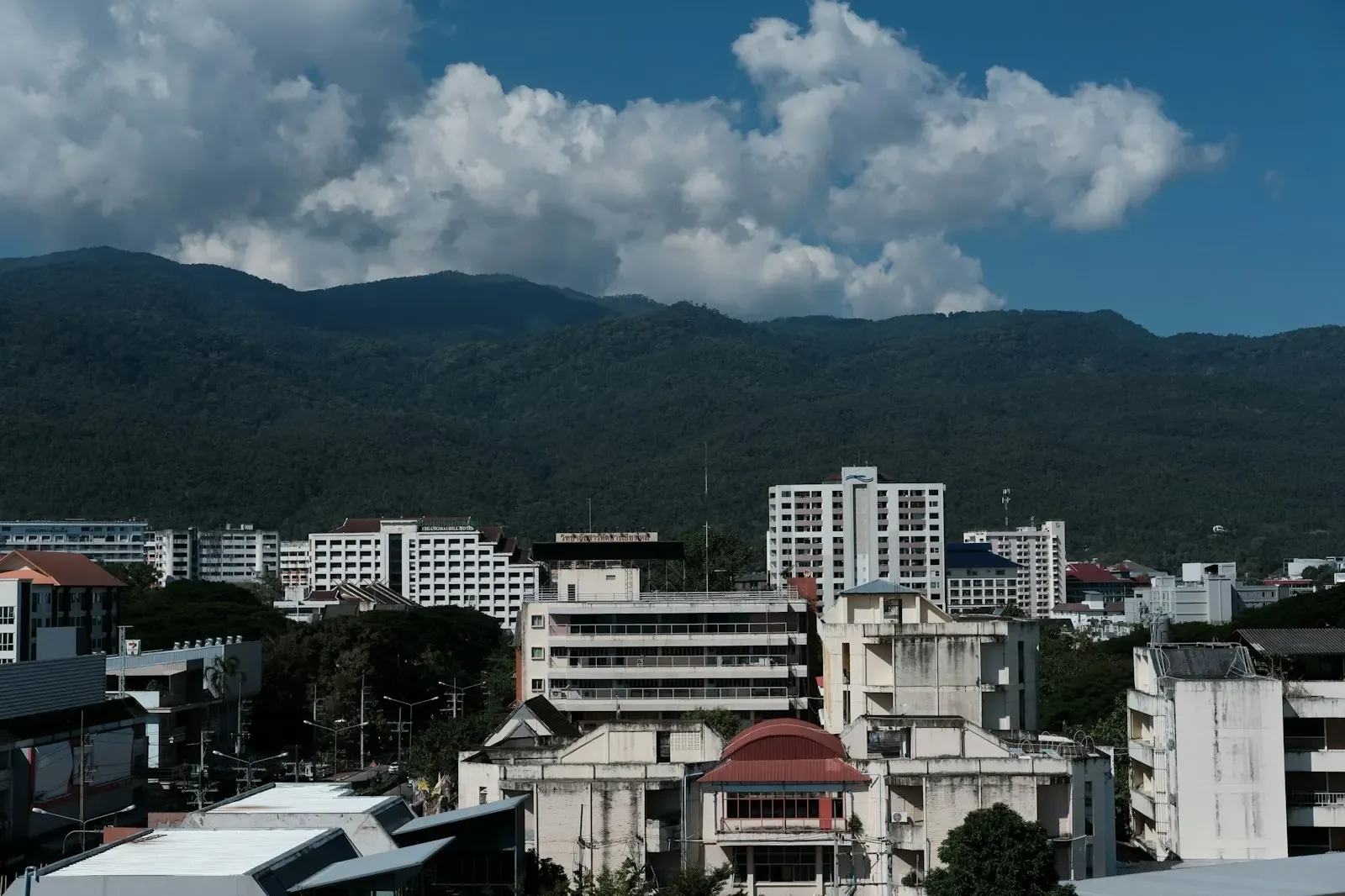
Time of day. Early morning is the quietest and coolest time; by mid-morning the car park fills with coaches and big groups. Late afternoon is the other good window: low sun on the chedi, then the city lights after dark. The funicular may stop around 18:00, and listings give closing times from 18:00 to 21:00, so confirm before a sunset visit and be ready to walk down.
Day of the week. Weekends and Thai public holidays are busier. On the night before Visakha Bucha (in May or early June), tens of thousands of people walk up the mountain road overnight. It’s a moving sight, but expect very heavy crowds that night and the next day.
Season.
- November to February: cool and mostly clear, so this is when you’re most likely to get a sharp view over the city. Bring a layer for the morning.
- March and April: burning season. Smoke haze often hides the city from the viewpoint, and the air can be poor. Check the air quality on the day. If the city is under smoke, a higher mountain such as Doi Inthanon can sometimes be clear above the haze.
- May to October: green season. The forest is lush, but cloud can roll over the temple and the stairs get slippery. Pack a rain jacket.
Doi Suthep tips
- Bring a layer. It’s cooler up the mountain than in the city, especially early in the day.
- Carry small cash for fees, offerings, drinks and snacks.
- Carsick? Take something before the drive, not halfway up.
- With kids. Plenty of children manage the stairs with breaks, and the funicular is the backup. Use a proper child seat for the bends.
- With older parents. Ride the funicular, take your time on the terrace and plan a shorter day. The ramps are steep, so a wheelchair needs a strong helper.
Add Bhubing Palace and Doi Pui
Bhubing Palace (Bhubing Rajanives), a royal winter residence about 4 km further up, opens its gardens to visitors: the rose garden, the fern garden and the ponds, but not the residence. Third-party listings give 08:30 to 16:30, with last tickets around 15:30. It closes when the royal family is in residence, usually some time between January and March, often at short notice. The dress code is stricter than the temple’s: long trousers or a long skirt and covered shoulders. Shorts, short skirts, sleeveless tops and leggings can be turned away at the gate.
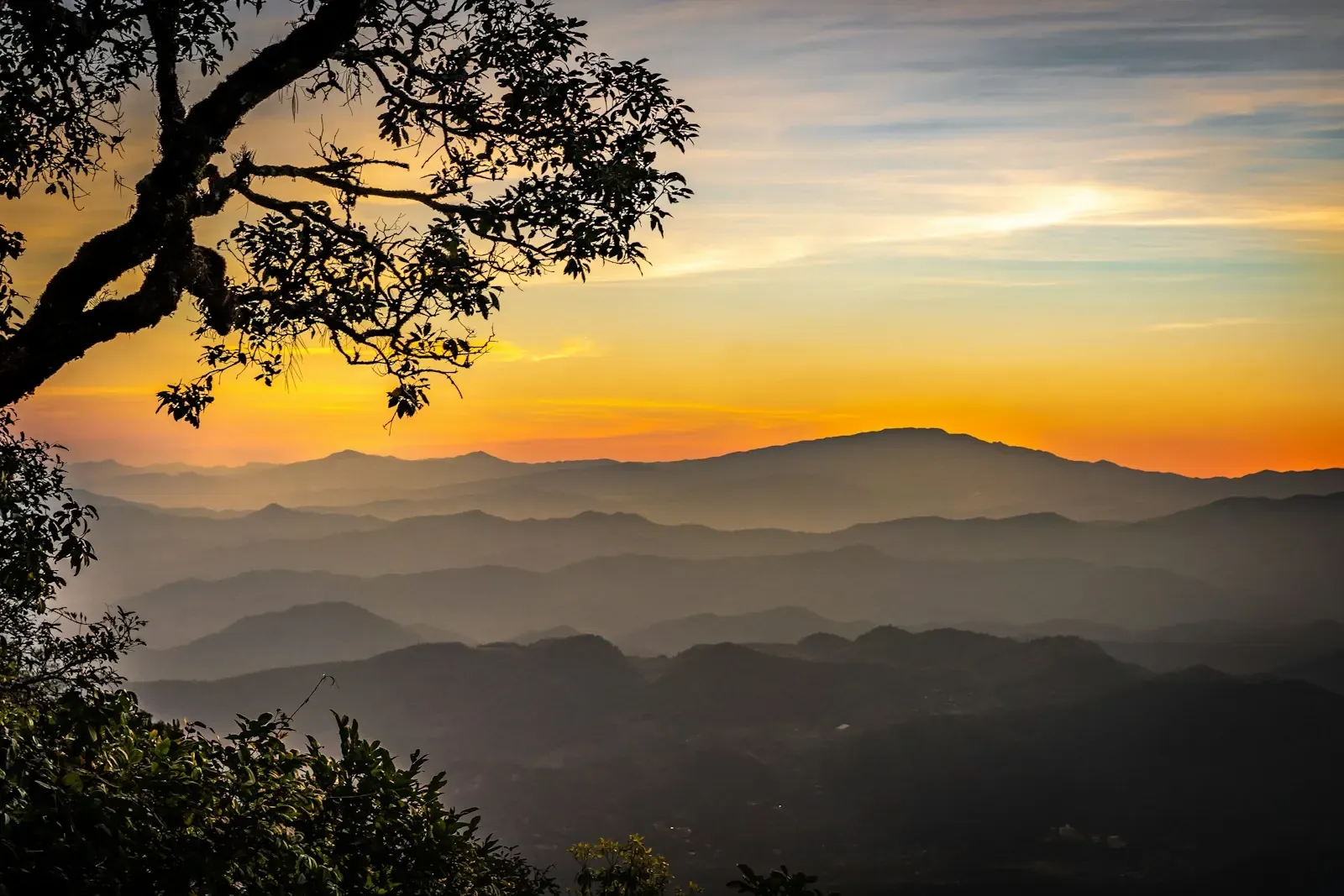
Doi Pui Hmong village (Ban Mong Doi Pui) is about 4 km past the palace, up a steep and winding paved road. There are stalls selling local produce and handicrafts, small flower gardens and wide mountain views. It’s generally open from about 08:00 to 17:00. The road can be slippery in fog and rain.
How long it takes. The temple alone fits easily in a half day. With the palace and Doi Pui, start early and plan for most of the day. For an evening out on the same side of town, Chiang Mai Night Safari sits at the foot of Doi Suthep on the Hang Dong side.
FAQ
How many steps are there at Doi Suthep? The naga staircase is usually quoted as 306 steps, and some counts say 309. If that’s too much, the funicular runs alongside it to the same terrace.
Is there a dress code at Doi Suthep? Yes. Cover shoulders and knees and take your shoes off before the inner courtyard. Bhubing Palace, further up the road, is stricter: long trousers or a long skirt.
Can we go up for sunset? Yes, but check the closing time on the day, and expect to walk down the stairs if the funicular has stopped.
Is Bhubing Palace open? Usually, except when the royal family is in residence, often some time between January and March. Check the palace’s official announcements before you go.
Questions before you go?
Questions about visiting Doi Suthep, the palace or Doi Pui? Message us on WhatsApp.