Mae Sa Elephant Camp sits in the Mae Sa valley in Mae Rim district, north of Chiang Mai, on the winding road that climbs toward Samoeng. It opened in 1976 and for decades was known for elephant rides and a daily show. Both stopped in 2020. A visit now is about feeding the elephants, helping prepare their food and watching them bathe in the stream or roll in the mud.
Many listings online still describe the old camp, so this article covers what it offers today, what changed and what critics still say, then how long to stay, when to go and how to get there.
Programs, opening hours and prices change. The details below come from the camp’s website (maesaelephantcamp.com) and listings checked in October 2026, so confirm with the camp before you go.
What you can do at Mae Sa Elephant Camp today
You can visit in two ways: a short stop at the main camp, or a half-day or full-day program at The Chang, which you book ahead. The Chang is the camp’s sister site, and most of the elephants there are older.
A short visit at the main camp
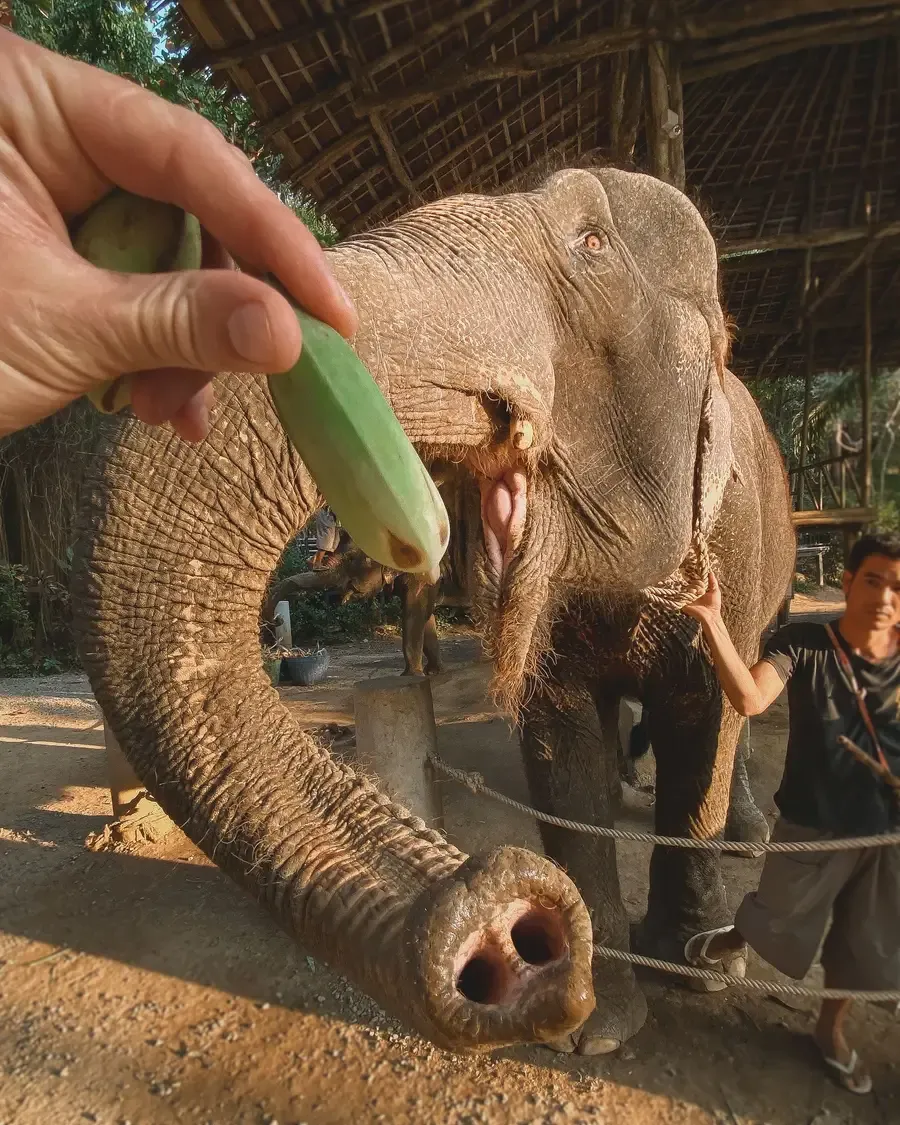
The camp’s website says admission includes a basket of fruit to feed the elephants. A visitor review from January 2026 describes bananas and sugar cane, handed over at a large roofed feeding area. One ticket site lists the short program at about 45 minutes: preparing food, feeding, and watching a mud bath. Add time to look around and have a drink, and plan on one to two hours.
The Chang: half-day and full-day programs
The Chang was called the Thai Elephant Care Center until November 2019. The camp says 14 elephants live there, most of them elderly, in an area of forest, grass, a stream and mud pits. Visits are by reservation only. On the camp’s published schedules:
- Half day, morning: hotel pickup 08:00–08:30, start at 09:00, back at the hotel around 12:00–12:30.
- Half day, afternoon: pickup 12:00–12:30, start at 13:00, back around 16:00–16:30.
- Full day: pickup 08:00–08:30, a lunch break, and the transfer back from 16:00.
The half day starts with a safety talk and a look at an elephant skeleton in the education building. You shred grass and mix it with herbal supplements, and you roll tamarind balls in the “elephant pharmacy”. Then you walk to each group of elephants to feed them and watch them in the stream and mud pits. The full day adds cooking sticky rice for the elephants, wrapping it with herbs in banana leaves, and a walk with the elephants.
Two things to know. The camp says the elephants decide whether to go into the stream or the mud, so the program can change at short notice. And in the camp’s own description, you watch the elephants bathe rather than getting into the water with them. Some reseller listings say otherwise, so ask if it matters to you.
Riding, shows and elephant welfare: what changed
Reviews from before 2020 describe a different place: elephant rides, and a show where elephants painted and played football. Here’s what happened, in order.
- November 2019. Moving Animals, a UK animal-protection group, released footage filmed at the camp that showed elephants being struck with hooks. Thai PBS reported that Anchalee Kalmapijit, who had taken over as managing director a few weeks earlier, accepted that the footage was real. She said the camp would move toward feeding and bathing.
- 23 March 2020. The camp’s history page says rides and the show ended for good that day, when Thailand’s COVID-19 closures began, and that the riding chairs were removed. The camp says its new policy means no chains, no riding and no painting, and that a team from Elephant Nature Park helped staff make the change. It reopened on 15 June 2020.
- Today. The camp’s website says “No Elephant Riding” and “No Elephant Show”. Its history page says the camp cares for 78 elephants in total.
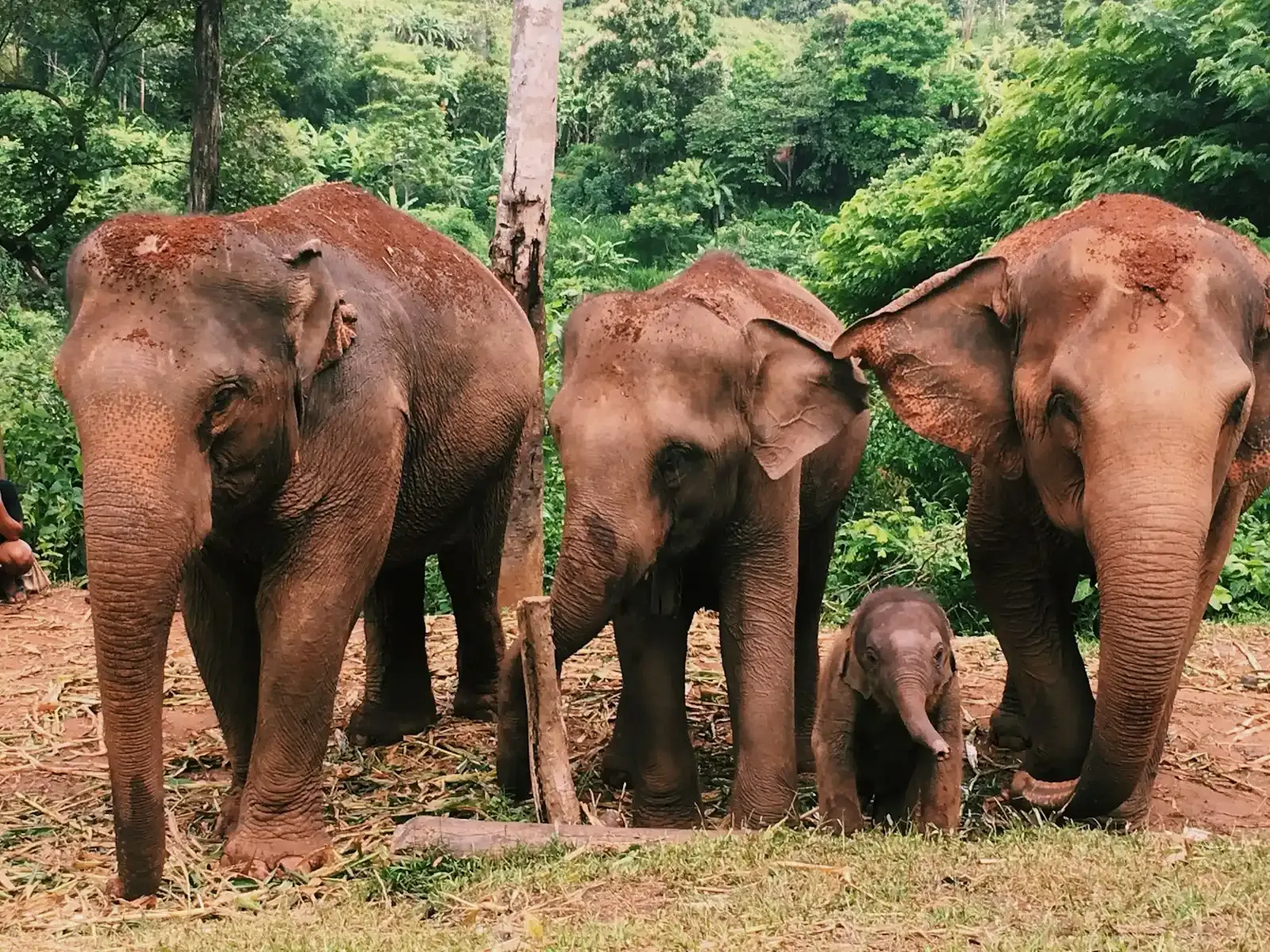
Opinions still differ. Responsible Travel, a UK travel company, lists Mae Sa among the elephant venues it doesn’t support. It cites reports from 2025 that elephants were still being made to perform tricks, and says there may be captive breeding. The camp still has young calves: in December 2025, the Thai newspaper Thairath covered the second birthday of a female calf there, who lives at the camp with her mother. Recent reviews on Tripadvisor are mixed.
In short, you’ll feed and watch the elephants, not ride them. If welfare matters to your decision, read reviews from the last few months and ask the camp about anything you want to know, such as how the elephants are kept outside visiting hours.
How to get to Mae Sa Elephant Camp
The camp is on the Mae Rim–Samoeng road (Route 1096), about 30–40 minutes by car from the Old City. No public bus runs there.
With a program at The Chang. Hotel pickup is part of the published schedule, so you may not need other transport. Check that your hotel is covered.
Grab or Bolt. Easy for the trip out. The valley is rural, so a ride back can take longer to find than in town.
Red truck (songthaew). Agree the fare before you get in. It’s slower, and you’ll need to arrange the ride back.
Scooter or rental car. A two-lane hill road with bends, and busier at weekends. Fine if you’re a confident driver.
Car with driver for the day. Convenient for families, older travellers, and anyone who wants to see more of the valley without arranging rides between stops. Book it in advance.
When to go
Time of day. Go in the morning. It’s cooler, and the camp closes in mid-afternoon: listings give opening at 09:00 and closing between 15:00 and 16:30. Check the hours for your day.
Day of the week. Weekends and Thai public holidays bring more visitors, and more traffic on the valley road. Weekdays are calmer.
Season.
- November to February: cool and dry, and the busiest months. Mornings in the valley can be chilly, so bring a layer.
- March and April: burning season. Haze can be heavy, so check the air quality before planning a day outdoors.
- May to October: green season. The stream runs higher, paths get muddy and afternoon rain is common.
Tips for your visit
- Dress for mess. Wear clothes you don’t mind getting dirty and shoes with good grip. Pack a change of clothes for children.
- Listen to the safety talk and stand where staff ask you to. Elephants are big and can move fast.
- Bring sunscreen, insect repellent, water and a hat.
- With kids. Small children can feed the elephants with an adult beside them. Keep wet wipes handy, because elephant trunks are messy.
- With older parents. The short visit is mostly standing at the feeding area. The longer programs involve walking between elephant groups, so ask about the terrain when you book.
Combine it with nearby places
The camp is one of several stops along the valley road, so you can fit more than elephants into a half or full day.
Mae Sa Waterfall is a stepped waterfall in Doi Suthep–Pui National Park, on the same road closer to Mae Rim. The park closed it temporarily after a flash flood in August 2026, so check that it has reopened before you plan on it.
Queen Sirikit Botanic Garden, also on the Mae Rim–Samoeng road, has glasshouses and a canopy walkway above the forest. It’s a daytime visit, so check opening hours before you go.
Zipline parks. Two of the Mae Rim parks are on this side of the city, and one is in the same subdistrict as the camp. Our Chiang Mai zipline comparison covers both.
If the children want more animals on another day, the Chiang Mai Night Safari makes an evening out on the southwest side of the city.
FAQ
Can you still ride elephants at Mae Sa Elephant Camp? No. The camp says riding and the show ended for good in March 2020. Its website says “No Elephant Riding” and “No Elephant Show”.
Can you bathe with the elephants? The camp describes watching them bathe, not joining them. Some third-party listings say otherwise, so ask before you book.
Do I need to book ahead? For The Chang, yes. For a short visit, check with the camp, especially at weekends and on holidays.
Is Mae Sa an elephant sanctuary? It still calls itself a camp. It hasn’t offered riding or shows since 2020, but some welfare organisations still don’t endorse it, and reviews are mixed. Read recent reviews and decide what feels right for you.
Questions before you go?
Not sure whether a short visit or a half day suits your group? Questions about visiting? Message us on WhatsApp.
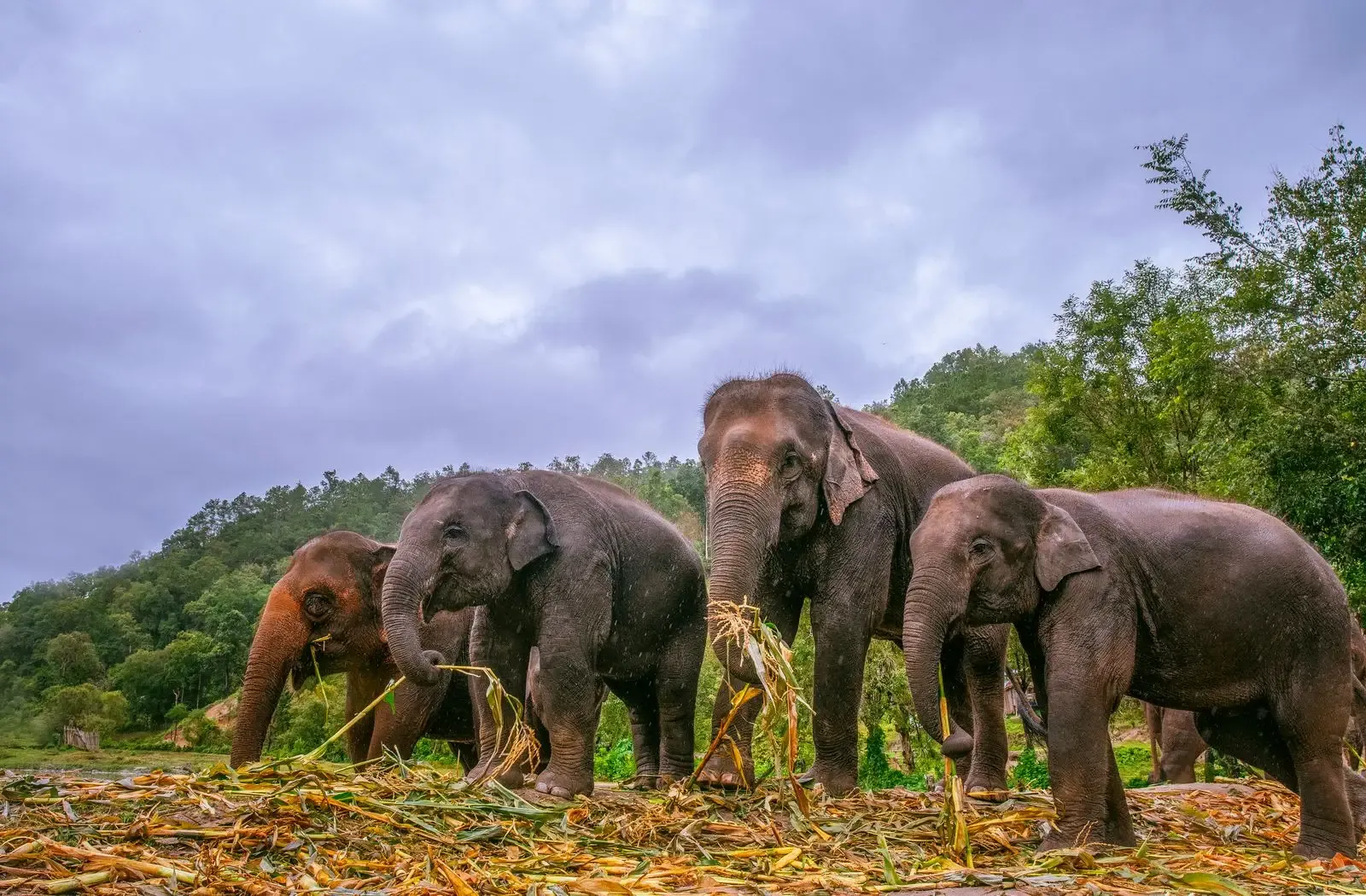
Photos are stock images for illustration and were not taken at Mae Sa Elephant Camp.